Uncovering Retention Trends Sparked by Entry-Level Incentives in Smartphone Progressive Prize Formats
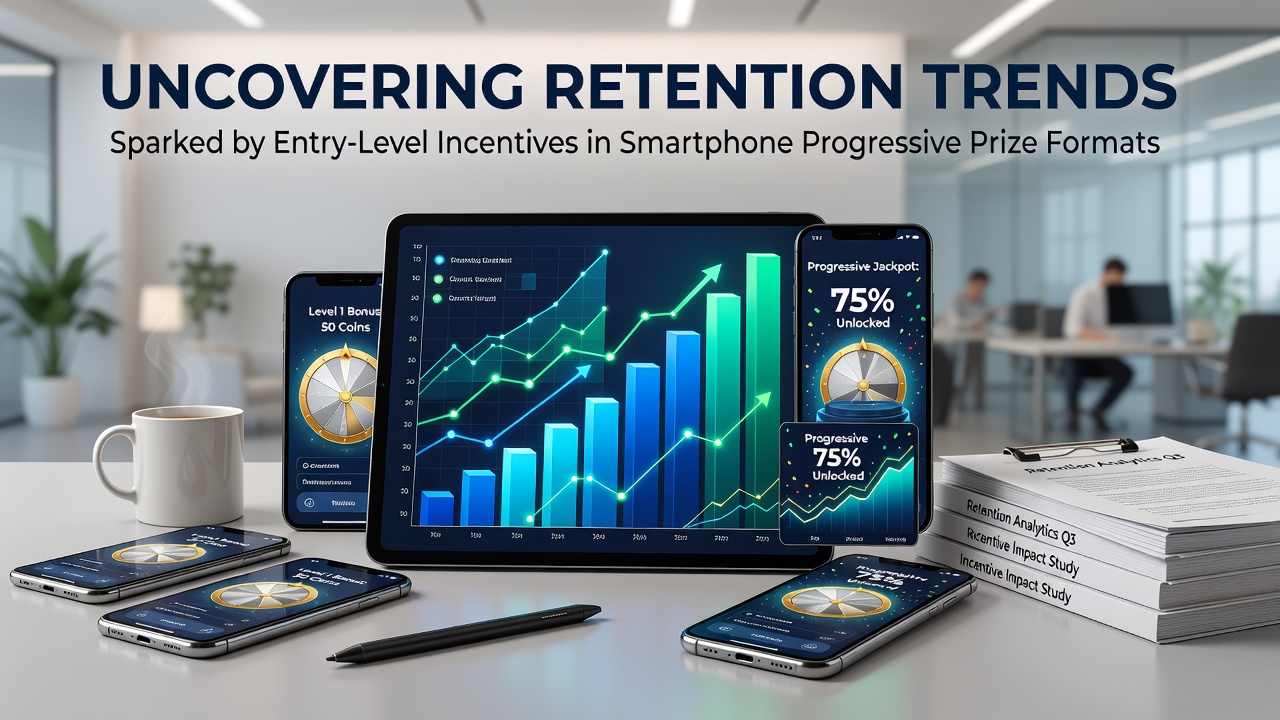
Smartphone applications featuring progressive prize formats have expanded rapidly since the early 2020s, and entry-level incentives now play a central role in shaping how users return to these platforms over time. Progressive prize formats typically involve accumulating rewards across sessions through mechanisms such as escalating multipliers, tiered collection systems, and shared prize pools that grow with participation. Data from industry monitoring services indicate that apps incorporating these elements saw average monthly active user growth of 14 percent between January and June 2026, with entry incentives cited as a primary driver of initial engagement that converts into longer-term patterns.
Defining Entry-Level Incentives in Mobile Progressive Systems
Entry-level incentives appear at the first point of interaction and usually include starter bundles, limited-time multipliers, or initial prize allocations that require minimal user investment. These offerings lower the barrier to participation in progressive formats where rewards build incrementally. Observers note that developers structure these incentives to align with the core loop of prize accumulation, so users who accept an initial reward often continue sessions to unlock subsequent tiers. Research conducted by the Interactive Games and Mobile Association in 2025 found that 62 percent of surveyed apps used at least one form of entry incentive tied directly to progressive mechanics, and those apps reported 23 percent higher day-seven retention compared with versions lacking such features.
Retention Patterns Observed Across User Cohorts
Retention trends emerge when initial incentives prompt repeated logins to track prize progression. Cohort analyses published by mobile analytics firms reveal that users receiving entry-level bundles maintain 31 percent higher seven-day return rates than non-incentivized users, while thirty-day retention rises by 18 percent when the incentive connects explicitly to visible prize growth. The connection works because progressive systems display real-time updates on accumulated value, which encourages users to return before time-limited multipliers expire. In July 2026, reports from several app marketplaces showed that titles with seamless integration between entry rewards and progressive displays achieved median session lengths of 14 minutes, up from 9 minutes in comparable titles without such linkage.
Regional Variations in Incentive Effectiveness
Regional data highlight differences in how entry incentives perform within progressive formats. North American markets demonstrate stronger conversion from initial rewards to sustained play when incentives include social sharing components that expand prize pools. European platforms, by contrast, show elevated retention when incentives emphasize transparency around odds and accumulation rates. Australian Communications and Media Authority figures from mid-2026 indicate that apps disclosing incentive terms clearly experienced 12 percent fewer user drop-offs at the fourteen-day mark. These variations suggest that cultural and regulatory contexts influence the durability of retention gains sparked by entry offers.
Technical Integration of Incentives With Progressive Mechanics
Developers integrate entry incentives through backend systems that track prize states across devices and sessions. When a user claims an initial reward, the system assigns a unique identifier that links the entry point to subsequent prize tiers. This architecture allows precise measurement of retention because each return visit increments the same progressive counter. Studies from academic groups at the University of Melbourne have documented that clear linkage between entry incentives and visible progression reduces early churn by approximately 27 percent. The same research notes that push notifications referencing remaining prize growth further extend session frequency, particularly when timed within 48 hours of the initial claim.
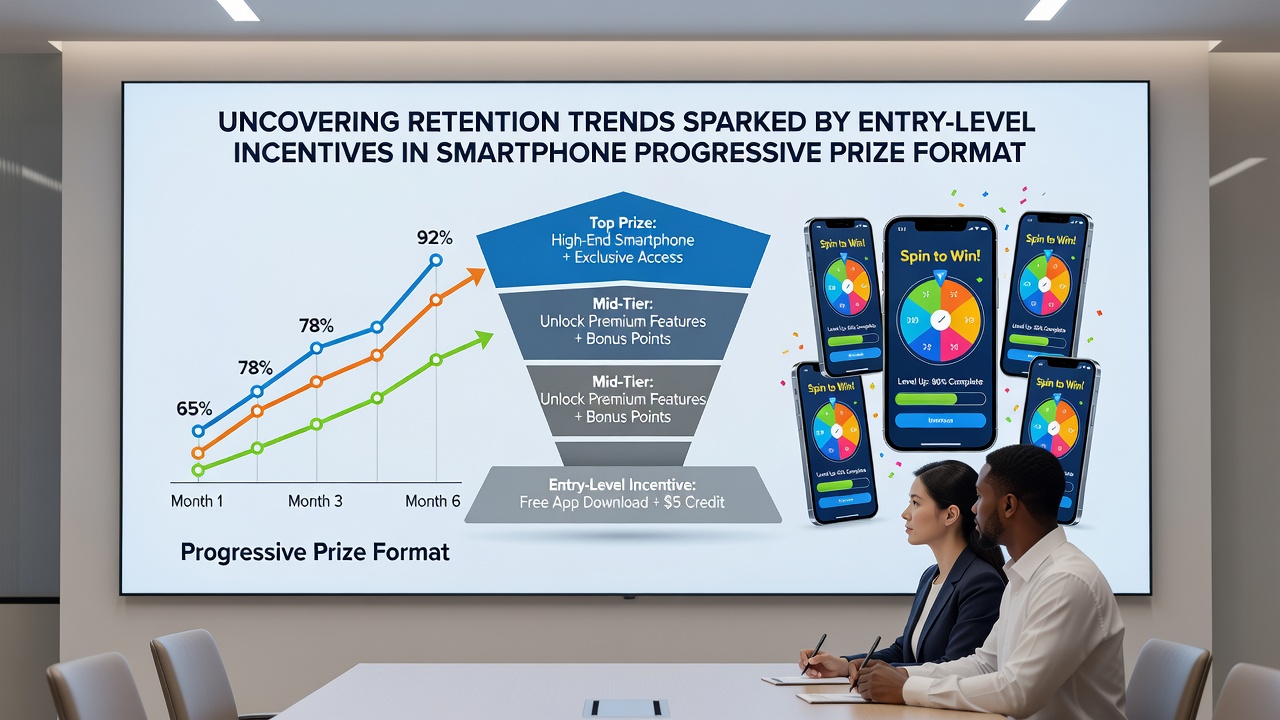
Platforms that combine entry incentives with cross-device synchronization report even stronger trends. Users who begin on one smartphone and continue on another maintain prize continuity, which preserves momentum created by the original incentive. Market intelligence from Newzoo indicates that synchronized progressive systems achieved 41 percent higher monthly retention in the first half of 2026 compared with non-synchronized counterparts. The mechanism works because users perceive ongoing value rather than starting from zero on each device.
Measurement Challenges and Data Sources
Accurate tracking of retention trends requires distinguishing incentive-driven returns from organic engagement. Analysts employ A/B testing frameworks that isolate the effect of entry offers while holding progressive mechanics constant. Results consistently show that the presence of an entry incentive increases the probability of a second session within 24 hours by 35 percent. Long-term data sets covering multiple quarters reveal that the initial lift persists through the first month but gradually converges with baseline retention after approximately 45 days unless additional progression milestones are introduced. Government statistical agencies in Canada and Singapore have begun incorporating these metrics into broader digital economy reports, providing standardized benchmarks for developers to compare against.
Conclusion
Entry-level incentives continue to shape retention in smartphone progressive prize formats by establishing early connections between user action and visible reward growth. Data collected through July 2026 demonstrate measurable differences in return rates, session duration, and cross-device continuity when incentives align tightly with progressive systems. Regional regulatory environments and technical implementation choices further modulate these outcomes, while standardized measurement approaches help isolate incentive effects from other variables. As platforms refine synchronization and notification strategies, the patterns observed in current datasets offer clear indicators of how initial offers translate into sustained participation across diverse markets.