Tracing Sequential Incentive Layers That Shape Decision Trees in Wireless Interactive Reel Formats
Written by Avery Lang · Aug 22, 2026
Tracing Sequential Incentive Layers That Shape Decision Trees in Wireless Interactive Reel Formats
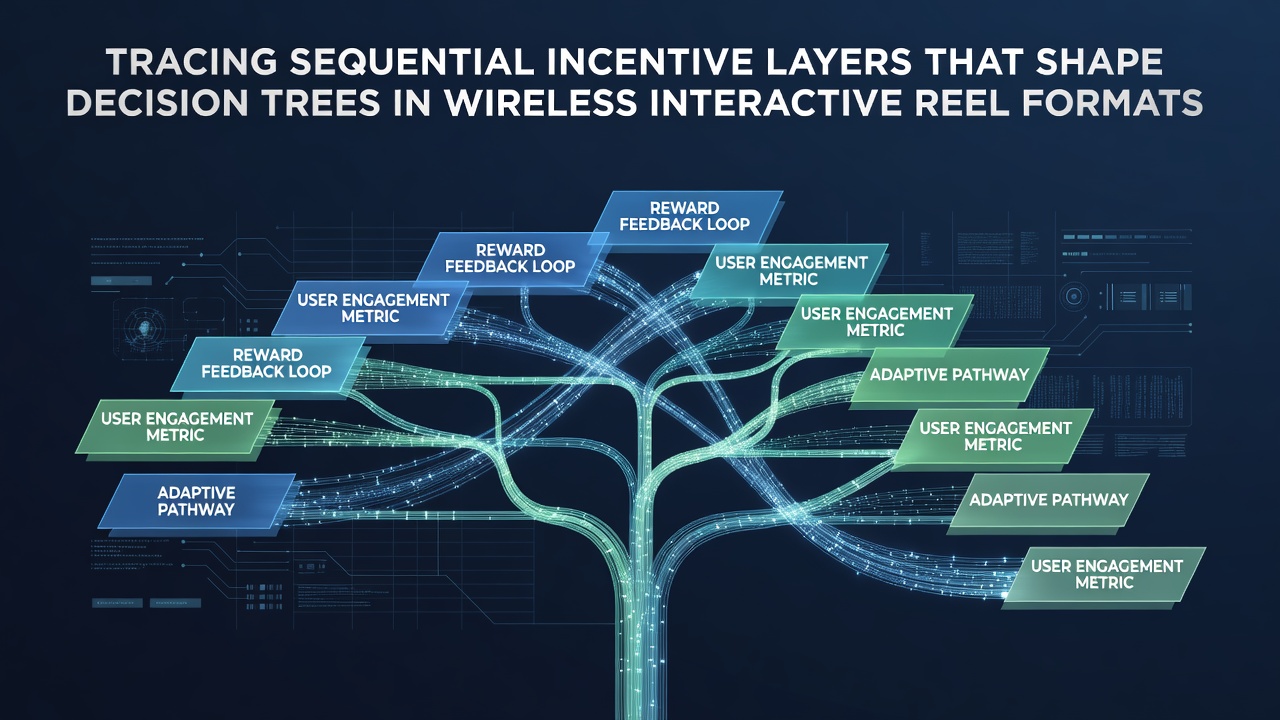
Sequential incentive layers in wireless interactive reel formats operate through stacked reward mechanisms that guide player choices across multiple stages of engagement, and researchers have mapped these layers to decision trees that evolve in real time on mobile platforms. These layers typically begin with entry-level promotions such as deposit matches or initial free spin allocations, then progress to retention-based rewards including loyalty multipliers and time-limited bonus rounds that adjust based on prior selections. Data from industry tracking shows that players encounter these incentives in sequence, which in turn influences bet sizing, session duration, and feature activation decisions within reel-based games accessed via smartphones and tablets.
Core Components of Incentive Layering
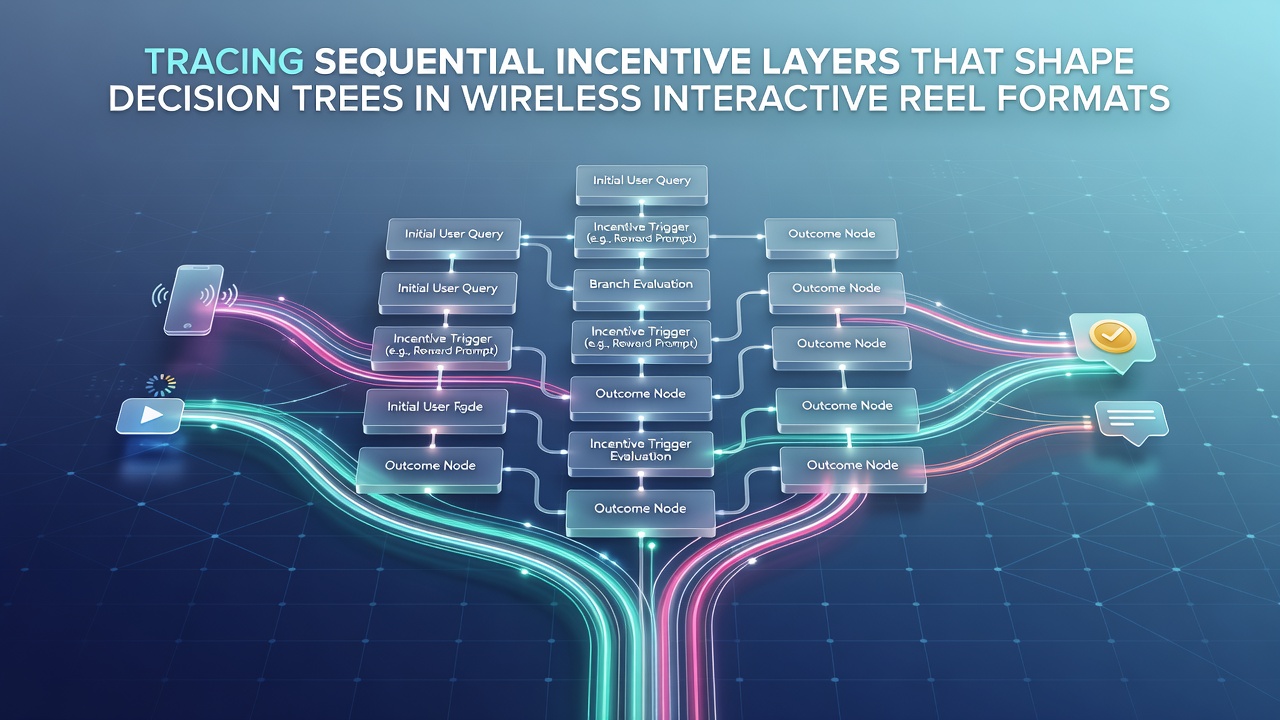
Each incentive layer builds directly on the outcomes of the previous one, creating branching paths that reflect cumulative player actions rather than isolated events. For instance, an initial free spin package may unlock access to a secondary multiplier tier only after a minimum number of spins occur within a set window, and this conditional structure forms the first nodes in the decision tree. Subsequent layers incorporate elements like streak bonuses or personalized reload offers that reference earlier gameplay metrics, while wireless formats allow these triggers to update dynamically through app notifications and in-game prompts. Observers note that such layering appears consistently across major mobile slot titles released or updated through mid-2026, with backend systems logging every choice point to refine future incentive delivery.
Decision Tree Formation in Mobile Reel Environments
Decision trees in this context emerge from the interplay between fixed game rules and variable incentive conditions, where each player action at one node determines available options at the next. Studies of user behavior logs indicate that participants often weigh immediate reel outcomes against the projected value of advancing to the next incentive tier, particularly when free rotation opportunities carry over across devices. In August 2026, platform analytics revealed increased usage of cross-device continuity features, allowing players to maintain progress on layered rewards when switching between phone and tablet sessions. This continuity reduces friction at decision points and extends the effective depth of each tree, as earlier choices retain relevance even during interrupted play periods.
Wireless Platform Specifics and Interaction Patterns
Wireless interactive reel formats differ from stationary counterparts through touch-based controls and push notification integration, both of which accelerate the pace at which players navigate incentive-driven branches. Touch gestures enable rapid adjustments to bet levels or spin speeds, while notifications alert users to approaching thresholds for the next reward layer, thereby shortening the time between decision nodes. Research indicates that these elements combine to produce more frequent micro-decisions within a single session, and the resulting data trails help operators map common pathways across large user cohorts. Those who have analyzed aggregated logs from multiple operators report that certain branches, such as opting into a high-volatility mode to accelerate tier progression, occur more often on mobile than on desktop interfaces due to the immediacy of wireless delivery.
Integration with Broader Reward Ecosystems
Sequential layers rarely exist in isolation; instead, they connect to wider loyalty frameworks that span multiple game types and external partner promotions. A player who completes a reel-specific incentive sequence may receive transferable credits applicable to table games or sports wagering modules within the same app, and this interoperability expands the decision tree beyond the initial reel format. Figures from regulatory filings in various jurisdictions show steady growth in such interconnected systems through 2026, with operators reporting higher retention metrics when layers link across categories. Experts tracking these developments point to the role of standardized APIs that allow real-time synchronization of player status, ensuring that choices made in one segment immediately affect available incentives in another.
Academic examinations of similar systems have examined how these layered structures align with established models of sequential decision-making, and one line of inquiry focuses on the weighting players assign to probabilistic outcomes at each branch. Data collected via controlled observation sessions demonstrates that individuals adjust risk tolerance as they approach incentive thresholds, often favoring conservative bet sizing when nearing completion of a layer and more aggressive approaches immediately after unlocking a new tier. Such patterns hold across different demographic segments, although the specific thresholds triggering shifts vary by region and platform.
Conclusion
The mapping of sequential incentive layers onto decision trees in wireless interactive reel formats provides operators and analysts with detailed visibility into player progression mechanics. Continued refinement of these systems through 2026 and beyond relies on accurate capture of choice data at each node, while maintaining compliance with regional standards that govern promotional transparency. As mobile platforms evolve, teh interconnections between layers and real-time interaction formats will likely determine how decision pathways develop in future iterations of reel-based gaming applications.