Tracing how payment gateway innovations reshape layered incentive structures for interactive table formats on wireless platforms amid shifting compliance rules
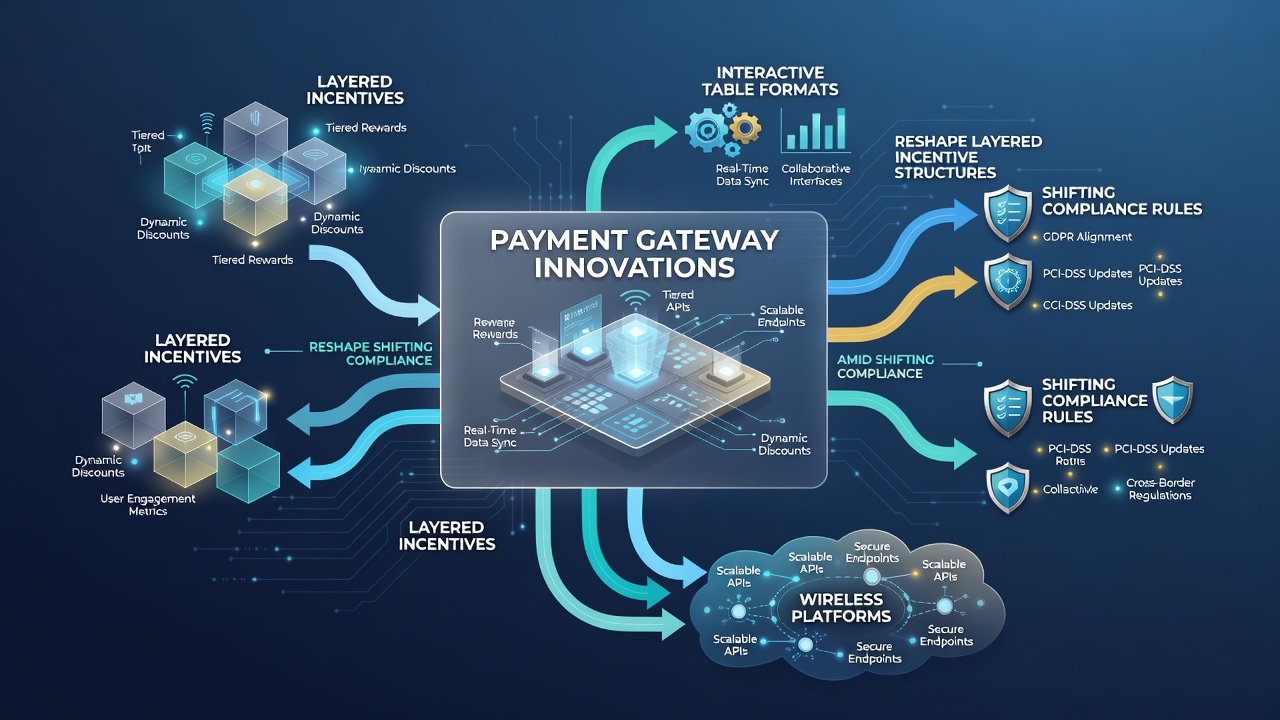
Payment gateway advancements continue to alter how operators construct multi-tier reward systems for live dealer experiences accessed through mobile networks, especially as regulatory frameworks evolve across multiple jurisdictions. These changes affect transaction speed, data handling, and the timing of bonus releases tied to table game participation. Observers note that real-time processing capabilities now allow incentives to activate based on immediate player actions during sessions rather than delayed batch settlements.
Core Innovations in Transaction Processing
Modern gateways incorporate tokenization and API-driven integrations that connect directly with player account systems on wireless devices. This setup supports dynamic layering of rewards where initial deposits trigger base credits, subsequent table bets unlock intermediate tiers, and sustained engagement activates premium bonuses. Data from industry reports shows processing times reduced to under two seconds in many implementations, enabling seamless transitions between gameplay and reward distribution.
Wireless platforms benefit from these upgrades because mobile sessions often involve shorter, fragmented interactions compared to desktop environments. Gateways equipped with adaptive routing now adjust for network variability, maintaining compliance logs while delivering incentive updates without interrupting dealer interactions. Experts tracking these systems point to expanded use of encrypted ledgers that record each layer activation alongside regulatory audit trails.
Reshaping Layered Incentive Mechanisms
Traditional flat bonus structures have given way to progressive models where payment confirmations directly influence reward visibility and eligibility. For interactive table formats, this means a player's first wager on a live roulette session might release a participation credit, while cumulative spend across multiple tables unlocks access to higher-value multipliers or exclusive dealer rounds. Research indicates these connections rely on gateway APIs that pull compliance-verified data to validate each tier in sequence.
Operators deploy these frameworks to align with player behavior patterns observed in mobile environments. A single transaction can now feed into several incentive branches simultaneously, such as cashback percentages scaling with table limits and loyalty points accruing based on session duration. Those monitoring adoption patterns report increased integration between payment rails and game servers, reducing friction that previously delayed reward fulfillment.
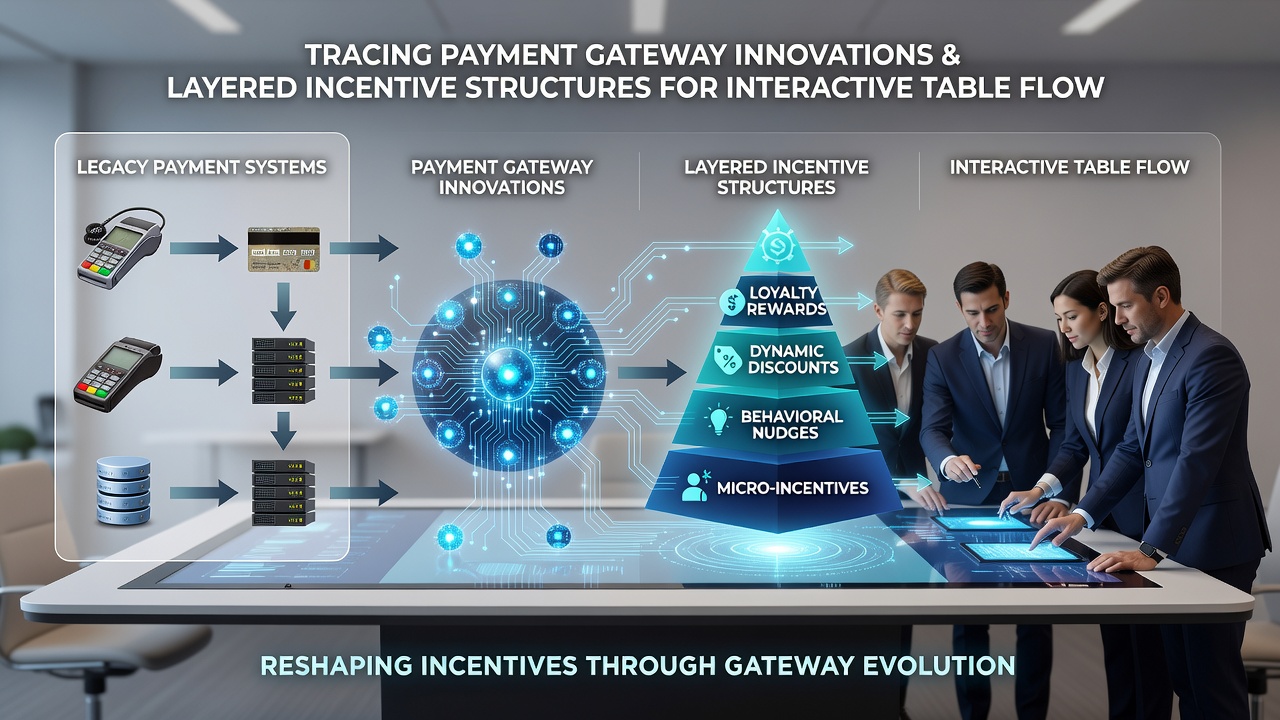
Compliance Pressures and Regulatory Adjustments
Shifting rules around data protection, anti-money laundering verification, and cross-border transaction reporting influence how gateways handle incentive triggers. In June 2026 several regions implemented updated electronic payment standards requiring enhanced identity checks before layered rewards activate. These measures affect wireless platforms particularly, since mobile sessions often originate from varied geographic locations within short timeframes.
Authorities in North America and parts of Asia have introduced guidelines that mandate real-time flagging of unusual transaction patterns tied to bonus layers. Payment processors respond by embedding compliance modules that pause or reroute incentive flows until verification completes. Figures from regulatory filings reveal operators adjusting their systems to accommodate these checks without extending overall session latency beyond acceptable thresholds.
European frameworks emphasize consumer data portability, which intersects with incentive tracking because reward histories must transfer across platforms when players switch devices or operators. Gateways incorporating standardized data formats now facilitate this movement while preserving audit integrity for table game activities. Observers highlight that such adaptations maintain operational continuity even as rules tighten around promotional mechanics.
Practical Implementations Across Markets
Case examples from various operators illustrate these dynamics in action. One platform integrated gateway updates that linked deposit confirmations to live blackjack table participation, resulting in tiered cashback that scaled according to hand frequency rather than fixed amounts. Another instance involved Singapore-based systems where compliance with local transaction limits required gateways to segment incentive releases into smaller, verified increments during mobile sessions.
Canadian regulatory bodies, including the Alcohol and Gaming Commission of Ontario, have documented similar shifts where payment innovations support responsible gaming features embedded within reward layers. These features monitor cumulative table spend and adjust bonus availability accordingly, all processed through secure gateway channels that log each adjustment for oversight purposes.
Industry associations such as the European Gaming and Betting Association have published analyses showing how API enhancements reduce reconciliation errors between incentive systems and financial records. This accuracy supports compliance reporting while allowing operators to refine layered structures based on actual mobile engagement metrics rather than estimates.
Conclusion
Payment gateway developments continue driving structural changes in how incentives layer around interactive table formats on wireless platforms. Regulatory evolution in multiple regions shapes these adjustments by demanding greater transparency and verification at each reward stage. The resulting systems prioritize speed and integration while meeting documentation requirements that protect both operators and participants. Ongoing refinements in processing technology suggest further alignment between transaction flows and dynamic reward delivery as compliance landscapes stabilize into the latter half of 2026.