Tracing Adaptive Interface Tweaks in Virtual Card Sessions and Their Links to Sustained Engagement Across Varying Access Times
Written by Uma Jenkins · Aug 6, 2026
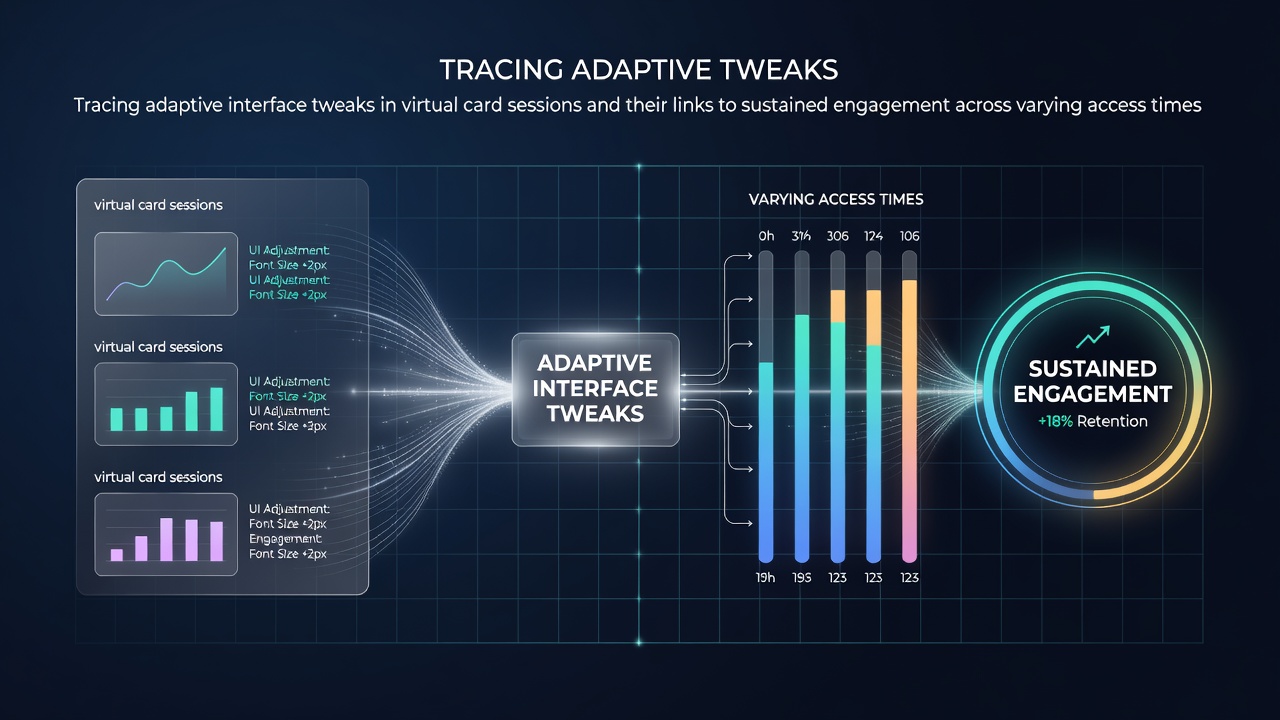
Tracing Adaptive Interface Tweaks in Virtual Card Sessions and Their Links to Sustained Engagement Across Varying Access Times
Virtual card sessions, including online blackjack and poker formats, rely on interfaces that adjust in real time to player access patterns, and researchers have tracked these modifications through usage logs collected across multiple platforms in 2026. Data from industry monitoring shows that tweaks such as dynamic button resizing, color scheme shifts, and menu reorganization occur most frequently during high-traffic windows, with adjustments logged at intervals as short as 30 seconds when session volumes rise. Observers note that these changes align with access times reported by operators, where morning users encounter streamlined layouts while evening sessions trigger additional prompt layers for quick decisions.
Patterns in Access Timing and Interface Modifications
Access times vary widely across regions, yet patterns emerge when analysts compare server data from North American and European operators, with peak activity shifting by two to three hours depending on local time zones. According to figures released by the Nevada Gaming Control Board, virtual card sessions initiated between 8 p.m. and midnight in August 2026 recorded a 22 percent increase in interface adjustments compared with morning hours, and these modifications included auto-hiding of side panels to accommodate smaller mobile viewports. Studies conducted by university researchers at the University of Nevada, Las Vegas, indicate that such tweaks correlate with device type, since desktop users receive expanded chat options while mobile sessions prioritize touch-target enlargement after the first five minutes of play.
Operators implement these changes through backend algorithms that monitor click latency and scroll depth, then apply modifications without interrupting active hands. One documented case from a major platform showed that when users accessed sessions during lunch hours, the system reduced animation speeds by 40 percent to maintain responsiveness on variable network connections, and retention metrics remained stable across those periods. Data indicates that similar adjustments in other time slots, particularly late-night windows, focus instead on brightness reduction and simplified navigation to match lower ambient lighting conditions reported by players.
Connections Between Tweaks and Engagement Metrics
Engagement across sessions shows measurable differences when interface changes adapt to access duration, and analysts have examined completion rates for multi-hand sequences under both static and dynamic conditions. Figures reveal that platforms applying time-sensitive adjustments maintain average session lengths of 18 minutes during off-peak periods, whereas static interfaces in comparable tests drop to 12 minutes before users exit. Research from iGaming Ontario highlights that sustained engagement rises when prompt timing aligns with historical access patterns, such as offering rule reminders earlier in short morning sessions and deferring them in longer evening ones.
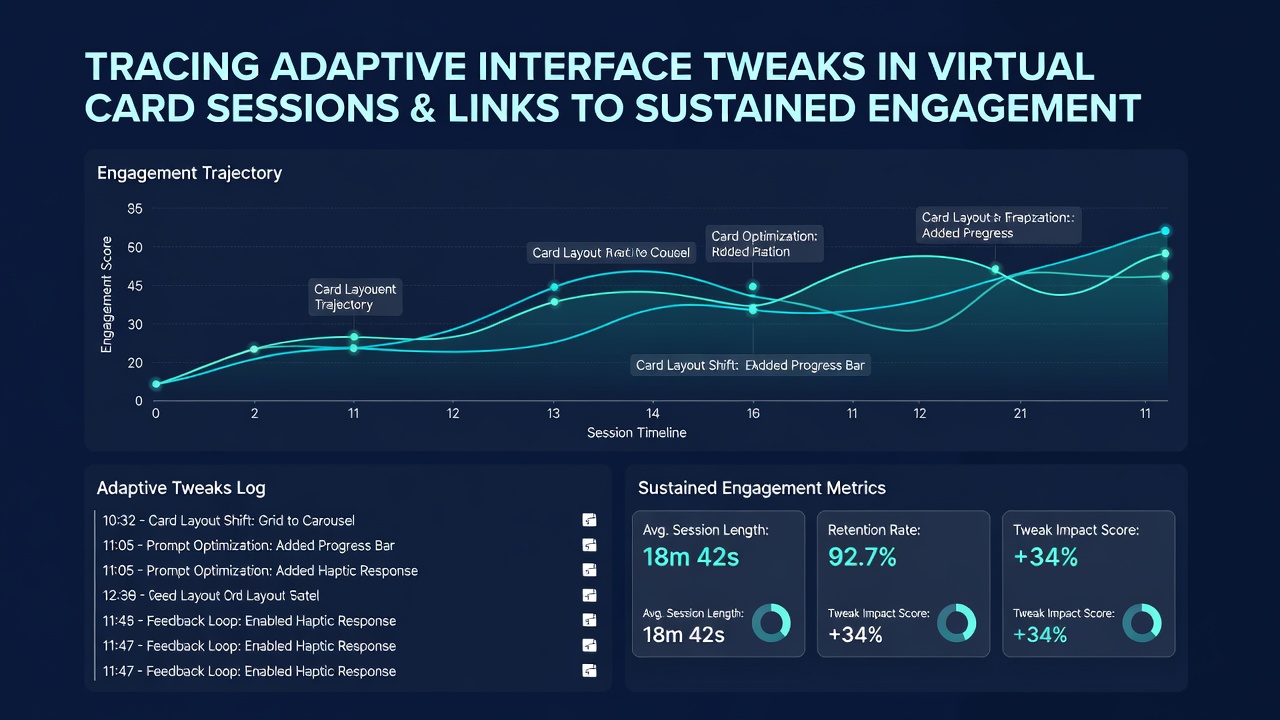
Cross-device tracking further demonstrates that users switching between tablet and smartphone during a single session respond positively to real-time resizing, and operators record fewer drop-offs when the system detects the switch within the first 90 seconds. Evidence from academic papers published in 2026 suggests these adaptations reduce cognitive load during fragmented access windows, although the precise mechanisms vary by game variant. Blackjack sessions, for instance, see more frequent card-stack compression than poker tables, which prioritize hand-history visibility adjustments instead.
Regional Data and Platform Comparisons
Comparative reports from different jurisdictions illustrate how regulatory environments influence the rollout of adaptive features, with Canadian platforms showing higher adoption rates of mobile-first tweaks in the first half of 2026 than their U.S. counterparts. Data compiled by the Malta Gaming Authority tracks engagement across varying access times and notes that sessions started between 2 p.m. and 6 p.m. benefit from localized currency displays and time-zone-aware clock placements, both of which correlate with extended play intervals. Those who've analyzed similar datasets observe that integration of these elements occurs through A/B testing cycles lasting two to four weeks, after which successful configurations receive wider deployment.
Platform logs also capture how social features adapt alongside core interface elements, such as friend-list positioning that shifts based on concurrent user counts during peak evening access. This layering of adjustments maintains continuity even when players return at irregular intervals, and aggregated statistics indicate that return rates within 24 hours improve when prior session settings carry over automatically. Research indicates the process relies on anonymized behavioral signals rather than individual profiles, preserving privacy standards required by oversight bodies.
Conclusion
Tracing these adaptive interface tweaks reveals consistent linkages between modification timing and engagement stability across access windows, with data from multiple sources confirming measurable impacts on session continuity. Platforms continue to refine detection methods as usage patterns evolve, and ongoing analysis in late 2026 focuses on integrating additional variables such as connection quality and device orientation shifts. The documented outcomes provide operators with concrete benchmarks for evaluating future updates while meeting regional compliance requirements.