Time-Sensitive Bonus Windows Influencing Decision Trees in Progressive Jackpot Mobile Gaming Sessions
Written by Sage Flores · Jul 11, 2026
Time-Sensitive Bonus Windows Influencing Decision Trees in Progressive Jackpot Mobile Gaming Sessions
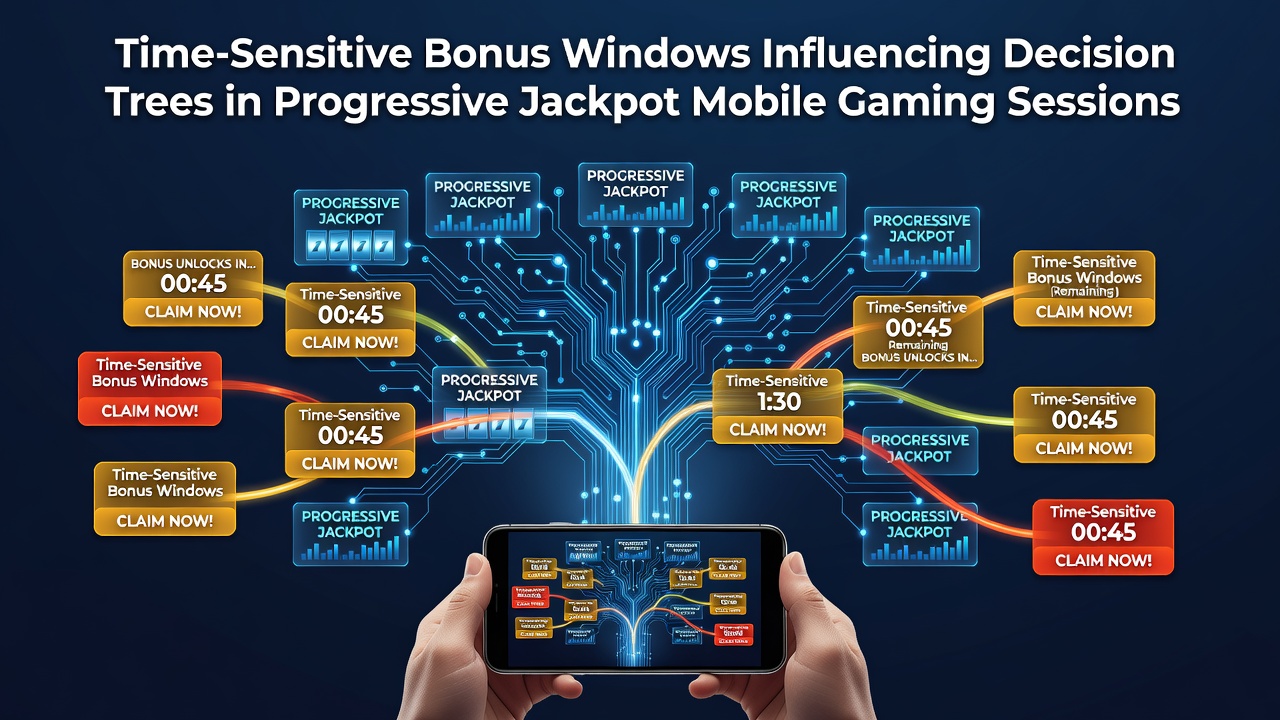
Time-sensitive bonus windows create structured pressure points within progressive jackpot mobile sessions, and these intervals directly shape the branching pathways that players navigate during gameplay. Observers note that when limited-duration multipliers or entry triggers activate, participants adjust their wagering sequences in real time, which alters the overall decision tree structure from initial spin selection through jackpot contribution phases. Research indicates that mobile interfaces display countdown elements prominently, which in turn prompts quicker evaluation of bet sizing options compared to standard play periods.
Progressive jackpot systems accumulate contributions across networks of devices, yet the addition of expiring bonuses introduces temporal constraints that force reevaluation at each node of the player's strategy tree. Data from industry tracking platforms shows elevated session lengths during July 2026 when operators synchronized bonus activations with peak mobile usage hours, leading to measurable shifts in contribution rates toward linked progressive pools. Those who study behavioral patterns in app-based wagering report that players often prioritize spins within active windows because the probability weighting of jackpot eligibility changes once the timer expires.
Mechanics of Bonus Window Activation
Bonus windows operate through server-side triggers that release enhanced payout multipliers or additional progressive shares for fixed durations, typically ranging from five to fifteen minutes depending on the title. Mobile applications push these activations via push notifications or in-game banners, which connect directly to the decision points players encounter when choosing between base game spins and feature entry options. Evidence suggests that the synchronization of these windows with jackpot growth thresholds creates layered choice architectures where one decision, such as increasing stake size, influences subsequent availability of bonus eligibility.
Operators integrate real-time clock mechanisms into the game engine so that once a window opens, the system recalculates payout tables instantaneously across connected mobile sessions. This recalibration affects how players map their progression through the game's internal logic tree, especially when progressive meters climb rapidly during the active period. Figures from multiple platform analytics providers reveal that participation spikes correlate with window openings rather than random timing, indicating that users deliberately align their login patterns with anticipated activations.
Impact on Player Decision Pathways
Decision trees in these environments branch at moments when bonus timers intersect with jackpot meter thresholds, prompting players to weigh immediate spin commitments against potential future windows. Studies conducted on user interaction logs demonstrate that selections made during active periods favor higher volatility paths because the temporary multiplier offsets the risk calculation embedded in each node. Mobile touch interfaces further compress the time available for deliberation, which compresses the depth of the decision tree and reduces the number of exploratory low-stake options that players might otherwise test.
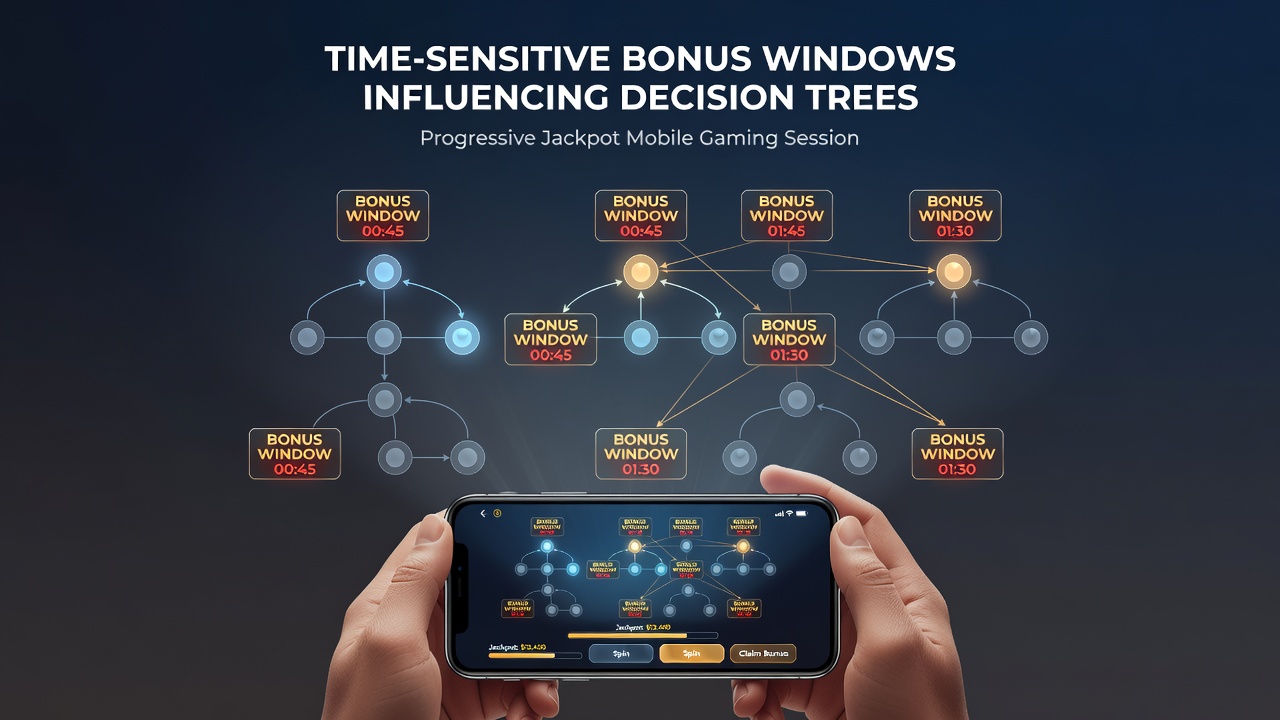
One documented pattern involves players abandoning ongoing base game sequences once a bonus window closes, which resets their position within the larger progressive contribution framework. According to findings published by the Nevada Gaming Control Board research division, mobile progressive titles registered distinct clustering of high-stake activity precisely within announced window intervals throughout early 2026. This clustering produces ripple effects on overall network contribution rates because the accelerated decision cycles concentrate funding into the jackpot pool during those narrow timeframes.
Network-Level Effects and Timing Data
Cross-device synchronization plays a central role because progressive jackpots draw from aggregated mobile and desktop activity, yet time-sensitive bonuses remain device-specific in their presentation. When a window activates on a smartphone session, the system still registers contributions toward the shared meter, which means individual choices feed into collective outcomes even as personal decision trees diverge. Reports compiled by the Responsible Gambling Council in Canada highlight that operators began refining window durations in response to session data collected during mid-2026, aiming to balance contribution velocity against player retention metrics.
July 2026 saw several major mobile platforms release updates that embedded predictive timers, allowing users to anticipate upcoming windows and pre-plan their session structures accordingly. These updates altered how decision trees unfold because players gained visibility into future nodes rather than reacting solely to live triggers. The resulting behavior shows increased pre-window stake adjustments, which in turn smooths contribution curves leading into each activation period.
Conclusion
Time-sensitive bonus windows continue to reshape the architecture of decision trees within progressive jackpot mobile gaming by imposing temporal boundaries that recalibrate choice priorities at every stage. Platform data collected through 2026 confirms that these mechanisms concentrate activity, modify stake behaviors, and influence how contributions accumulate toward shared jackpots. As mobile interfaces evolve, the intersection of countdown elements and progressive logic remains a defining factor in session dynamics across the sector.