Shifts in Layered Incentive Designs Reshaping Extended Engagement Cycles Within App-Driven Table Simulations Across Multiple Devices
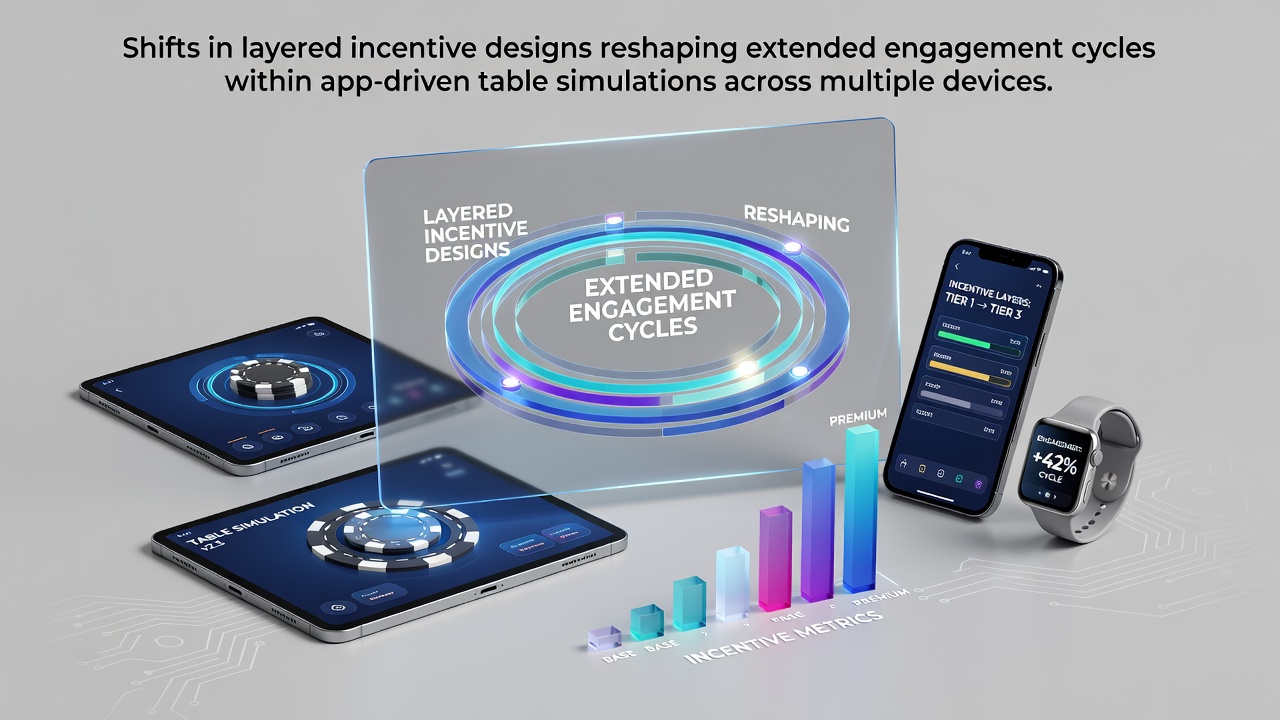
Layered incentive designs have taken center stage in app-driven table simulations as developers adjust reward structures to extend user engagement across phones, tablets, and other connected screens. These systems layer multiple reward tiers that include daily login bonuses, progressive achievement milestones, and device-specific challenges, and data from industry tracking services shows participation rates rising steadily through mid-2026. Observers note that such designs encourage longer sessions by connecting short-term actions like completing a single hand of simulated blackjack to longer-term benefits such as unlocking cross-device progress that carries over seamlessly.
Core Elements of Current Incentive Layers
Modern platforms combine immediate feedback mechanisms with deferred rewards that activate only after sustained activity. A base layer might grant virtual credits for each completed round while an intermediate layer tracks weekly performance metrics that unlock personalized table variants. The top layer often ties into multi-device synchronization, allowing users who switch between a phone during commute hours and a tablet at home to retain accumulated status without resetting their cycle. Research from academic gaming studies indicates these interconnected layers reduce drop-off points that once occurred when players changed devices mid-session.
Platform operators report that engagement cycles now average longer durations when incentives align with natural play patterns rather than forcing artificial time limits. Figures from regulatory filings in several jurisdictions reveal that apps incorporating at least three distinct reward strata maintain higher retention metrics than single-layer alternatives throughout the first half of 2026.
Device Integration and Cross-Platform Continuity
App developers have refined synchronization protocols so that incentive progress updates in real time regardless of the device in use. A player who earns a streak bonus on a mobile phone during an afternoon break can continue the same streak on a tablet later without manual intervention. This continuity stems from backend systems that store layered data in cloud environments accessible through secure logins. Those who've examined usage logs note that seamless transitions between devices correlate with extended overall session lengths and fewer abandoned cycles.
July 2026 brought additional updates from several major simulation providers that introduced tablet-optimized interfaces for complex table layouts while preserving the same incentive structures already active on phones. These changes allow users to access deeper strategy tools on larger screens without losing access to mobile-specific quick-play bonuses, thereby supporting varied engagement rhythms throughout the day.
Observed Patterns in User Behavior
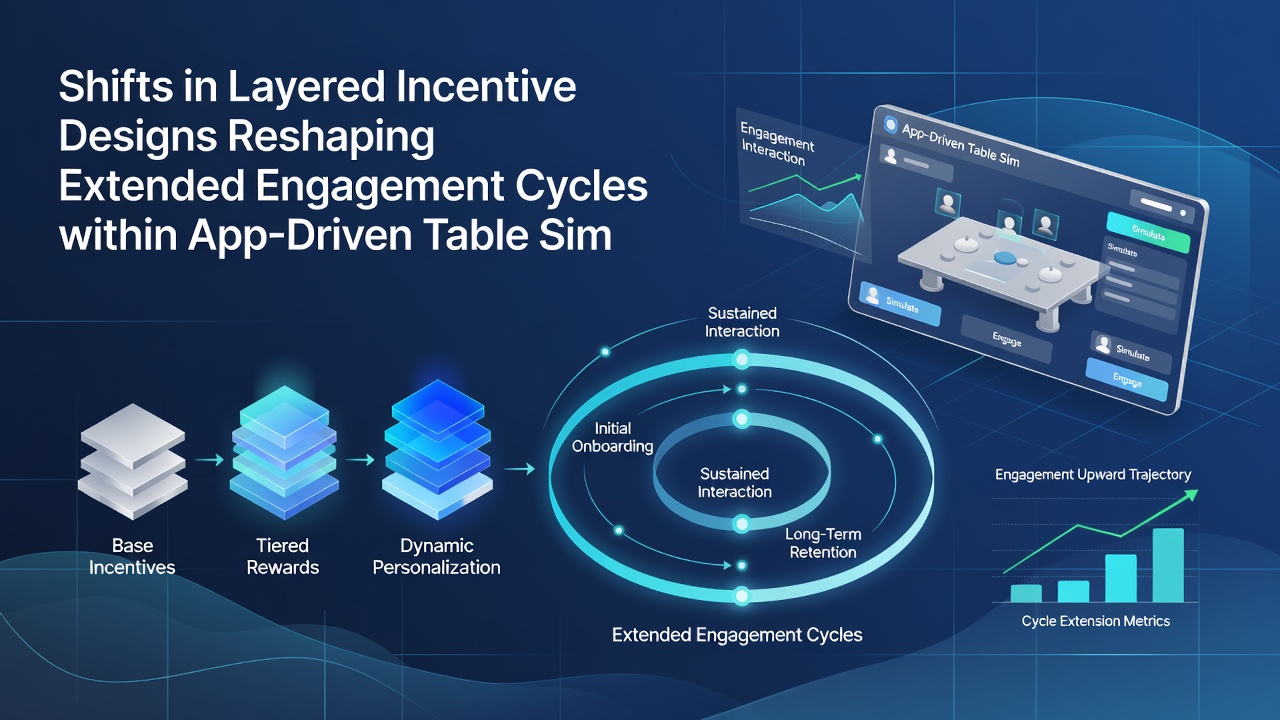
Analytics platforms tracking millions of sessions have documented shifts where users increasingly complete full engagement cycles rather than stopping at intermediate checkpoints. One pattern shows that when layered incentives include device-agnostic milestones, completion rates for extended challenges increase by noticeable margins. Another pattern emerges around evening hours when tablet users often extend sessions after starting on phones earlier, suggesting that the layered design successfully bridges different usage contexts.
According to reports from the Nevada Gaming Control Board, apps that emphasize progressive layers tied to table simulation performance have seen measurable upticks in repeat logins across the first two quarters of 2026. Similar trends appear in data compiled by Australian regulatory bodies monitoring digital gaming activity, where cross-device continuity features receive frequent mentions in compliance summaries.
Technical Adjustments Supporting Longer Cycles
Developers have introduced adaptive algorithms that adjust incentive visibility based on individual play histories and device preferences. These systems surface relevant rewards at moments when engagement might otherwise wane, such as after a series of simulated losses or during transitions between devices. The approach relies on real-time data streams rather than static schedules, allowing incentives to feel responsive to actual user behavior.
Engineers working on these platforms have also optimized notification frameworks so that alerts about newly unlocked layers arrive through the most active device at any given time. This reduces notification fatigue while maintaining awareness of ongoing progress, which in turn supports continued participation without overwhelming users across multiple screens.
Conclusion
Shifts toward sophisticated layered incentive designs continue to influence how extended engagement cycles unfold within app-driven table simulations. The integration of multi-device continuity, adaptive reward timing, and tiered milestone structures has produced measurable changes in session duration and retention patterns through July 2026. Data from multiple regulatory and research sources confirms that these adjustments align incentive delivery more closely with the ways people actually move between devices during daily routines. As platforms refine these systems further, the focus remains on maintaining factual alignment between design choices and observed usage metrics across diverse operating environments.