Philippine Gaming Revenue Outlook Shifts as Middle East Conflict Influences 2026 Projections
 Alejandro Tengco, who serves as PAGCOR Chairman and CEO, outlined a revised outlook for the Philippines' gross gaming revenue during recent assessments shared in June 2026, noting that figures could drop by as much as 19 percent from the record levels achieved the previous year. The agency projects totals between Php320 billion and Php350 billion, equivalent to roughly US$5.20 billion to US$5.69 billion, compared with the Php396.1 billion or US$6.44 billion recorded in 2025, and Tengco attributes the anticipated contraction primarily to ongoing pressures from the Middle East conflict that affect consumer spending patterns across both mass market and online gaming channels. Observers note that earlier disruptions tied to e-wallet de-linking already created headwinds for certain segments, and Tengco connects these developments directly to the broader effects stemming from regional instability that influence disposable incomes and player participation rates. Data from the period shows sustained strength through 2025, yet the new forecast incorporates adjustments for reduced activity in areas most sensitive to external economic signals, while the chairman emphasizes that the mass market segment faces particular exposure because participants often respond quickly to shifts in overall cost pressures. Tourism recovery offers one potential counterbalance within the same projections, as Tengco highlights increased arrivals from China as a factor that could support higher footfall at integrated resorts and related facilities. Industry figures indicate that visitor numbers have begun rebounding in recent months, and this trend may help stabilize revenues in premium and walk-in categories even as online and mass market volumes adjust downward. Analysts tracking the sector point out that Chinese tourism historically correlates with elevated table game activity, which could partially offset declines elsewhere if current momentum holds through the coming year.
Breaking Down the Revenue Numbers
The 2025 total of Php396.1 billion stands as the highest annual figure on record for Philippine gaming, driven by strong post-pandemic demand and expanded operations across multiple license categories. Tengco's 2026 range of Php320 billion to Php350 billion reflects a calculated reduction that accounts for the Middle East situation's ripple effects on household spending, particularly in lower-stakes online platforms and mass-market floor areas where players tend to limit activity when external uncertainties rise. Conversion rates place the upper end of the new projection at approximately US$5.69 billion, still a substantial market but one that marks a clear departure from prior growth trajectories. Those monitoring PAGCOR statements observe that the agency has incorporated both the conflict-related pressures and lingering impacts from e-wallet policy changes into a single forward-looking model. The combined influences create a scenario where online segments experience slower transaction volumes, while physical venues see moderated attendance from local patrons who face tighter budgets. Tengco presents these elements as interconnected rather than isolated, noting that consumer sentiment data collected over the first half of 2026 already shows measurable softening in participation rates.Role of Tourism and External Factors
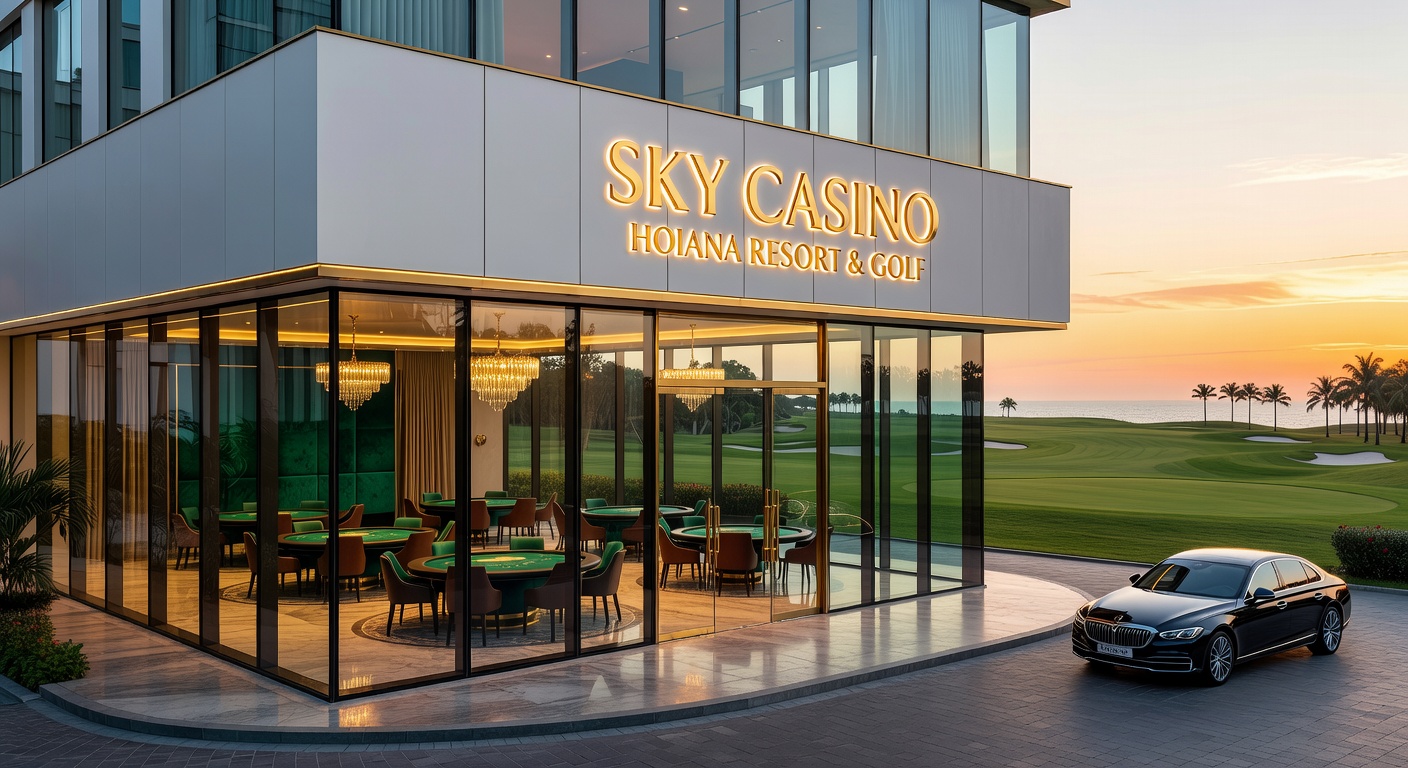 Increased Chinese arrivals receive specific mention in Tengco's remarks as a variable that could mitigate some of the projected losses. Tourism statistics compiled through mid-2026 reveal gradual improvement in flight capacity and visa processing times, and operators anticipate that returning visitors will favor high-limit play and resort amenities. This development stands apart from the broader consumer spending contraction, because inbound travelers often operate under different economic considerations than domestic mass-market participants. PAGCOR continues to track arrival data closely, recognizing that sustained growth in this channel might narrow the gap between the lower and upper ends of the Php320–350 billion range. The Middle East conflict enters the forecast through its documented effect on global commodity prices and remittance flows, both of which influence spending capacity among Philippine residents who frequent gaming outlets. Tengco explains that these macroeconomic channels transmit cost pressures more directly to everyday players than to high-net-worth segments, resulting in the uneven impact across product categories. Online platforms, which expanded rapidly in prior years, now register the earliest signs of reduced engagement according to preliminary indicators referenced in the chairman's update.