Mapping the Evolution of Incentive Layering Techniques Within Portable Digital Reel Formats
Written by Tina Schulz · Jul 20, 2026
Mapping the Evolution of Incentive Layering Techniques Within Portable Digital Reel Formats
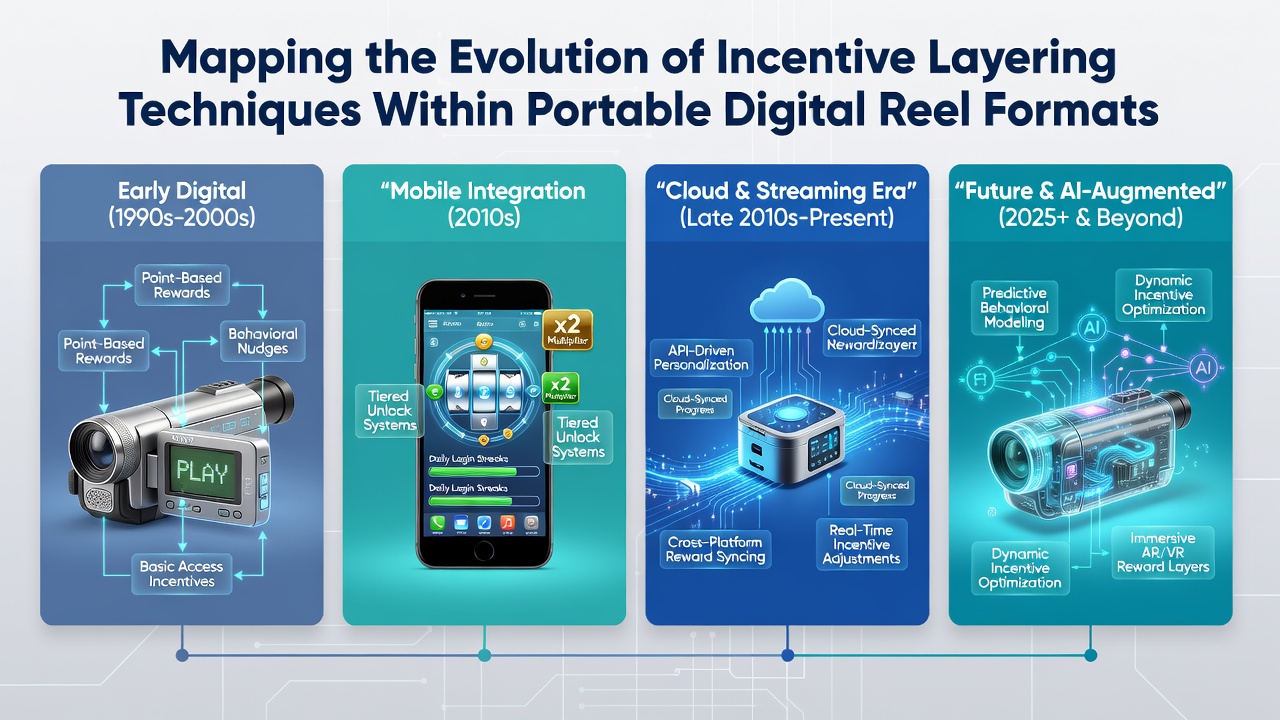
Portable digital reel formats emerged in the early 2010s as smartphone adoption accelerated, and developers began adapting traditional reel mechanics to smaller screens with touch interfaces, while incentive structures started simple with basic free spin offers that triggered after set numbers of spins. Those early systems relied on static rewards that activated uniformly across sessions, yet mobile hardware improvements soon allowed for more responsive designs that tracked individual play patterns in real time and adjusted offerings accordingly.
Initial Development Phase in Mobile Environments
Research from industry analysts indicates that incentive layering began with single-tier promotions such as deposit matches paired with limited free rotations, and these elements operated independently without interaction between reward types. Data from 2015 through 2018 shows adoption rates rising sharply once app stores standardized distribution channels, which enabled consistent delivery of updates that introduced secondary layers like multiplier boosts activated only after primary bonuses completed. Observers note that portability introduced variables absent from desktop versions, including intermittent connectivity and battery constraints, so designers incorporated session-length incentives that rewarded shorter, frequent engagements rather than extended continuous play.
Technological Shifts Enabling Complex Layering
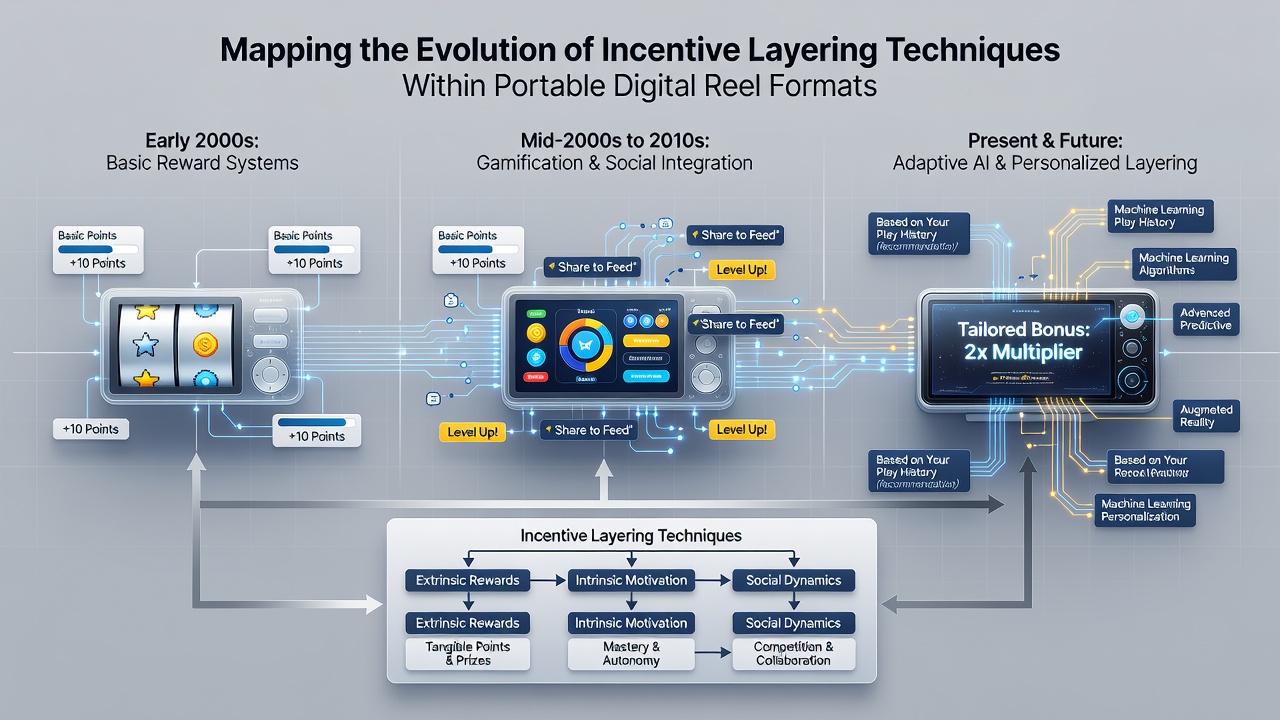
Advancements in device processing power and cloud synchronization permitted dynamic layering where one incentive could modify the parameters of another, such as converting accumulated loyalty points into enhanced reel multipliers during active sessions. Figures from regulatory filings in multiple jurisdictions reveal that by 2020 most mobile reel applications incorporated at least three concurrent reward streams, and integration with push notification systems allowed operators to surface time-sensitive layers tied to location data or time-of-day patterns. Studies published through academic partnerships with gaming research centers demonstrate that these layered approaches increased session frequency because players encountered tailored prompts that aligned with prior behavior histories stored across devices.
Expansion Through Data Integration
Cross-device tracking became standard once operating system updates standardized identifier frameworks, and this capability supported incentive systems that carried progress between phones, tablets, and emerging wearable formats. Reports compiled by the Australian Gambling Research Centre indicate steady growth in the number of layered components per title, rising from an average of two in 2017 to five or more by 2023, with each layer often conditioned on specific reel outcomes or cumulative spend thresholds. Portable formats further benefited from sensor data, allowing systems to detect tilt gestures or ambient light levels that could unlock additional reward multipliers during play.
Implementation patterns diversified as developers experimented with conditional stacking, where completing one incentive unlocked eligibility for a higher-value layer that combined free spins with progressive jackpot contributions. Evidence gathered across North American markets shows these mechanics appeared more frequently in titles released after 2021, coinciding with improved 5G rollout that reduced latency during reward redemptions.
Regulatory Influences on Layering Practices
Jurisdictional requirements shaped how operators presented layered incentives, particularly rules mandating clear disclosure of terms before activation, and data from the Ontario Lottery and Gaming Corporation highlights compliance-driven redesigns that separated promotional layers visually within mobile interfaces. In July 2026 several Canadian provinces updated reporting standards that required operators to log each active layer separately, which encouraged more modular system architectures capable of toggling components based on regional rulesets without affecting core reel functionality.
European markets adopted similar transparency measures earlier, prompting developers to build configurable layering engines that adapted reward visibility according to player location detected through GPS, and these adaptations maintained consistent user experiences while satisfying divergent legal frameworks. Research papers from the University of Las Vegas gaming studies program document corresponding increases in audit frequency as layered systems grew more intricate, leading to standardized logging protocols that tracked every incentive interaction timestamped to the second.
Current Patterns Observed in 2026
Portable digital reel titles released during the first half of 2026 commonly feature incentive layers that respond to both in-app metrics and external signals such as social sharing activity or linked loyalty program participation from unrelated services. Industry reports compiled through multi-jurisdictional data sharing agreements indicate that operators now deploy up to seven simultaneous layers in flagship mobile releases, with each layer calibrated through machine learning models trained on aggregated anonymized play data. These models adjust layer probability and value in response to aggregate trends rather than individual targeting to maintain compliance with emerging data protection statutes.
Integration with progressive systems has also matured, allowing reel outcomes to feed directly into layered reward pools that distribute across multiple titles within the same operator ecosystem, and portable access ensures players can monitor accumulation status regardless of device. Observers tracking adoption rates note that titles emphasizing seamless cross-layer interactions retain higher installation persistence compared with those maintaining isolated reward structures.
Conclusion
The trajectory of incentive layering within portable digital reel formats reflects ongoing adaptation to hardware capabilities, regulatory requirements, and data processing advancements that together enable increasingly modular reward architectures. Documentation from multiple regulatory bodies and research institutions shows consistent expansion in both the quantity and interactivity of layers deployed across mobile platforms through mid-2026, establishing technical foundations that support further refinement as device ecosystems continue evolving.