Examining Synergies Between Layered Reward Mechanisms and Interactive Dealer Formats Across Wireless Platforms
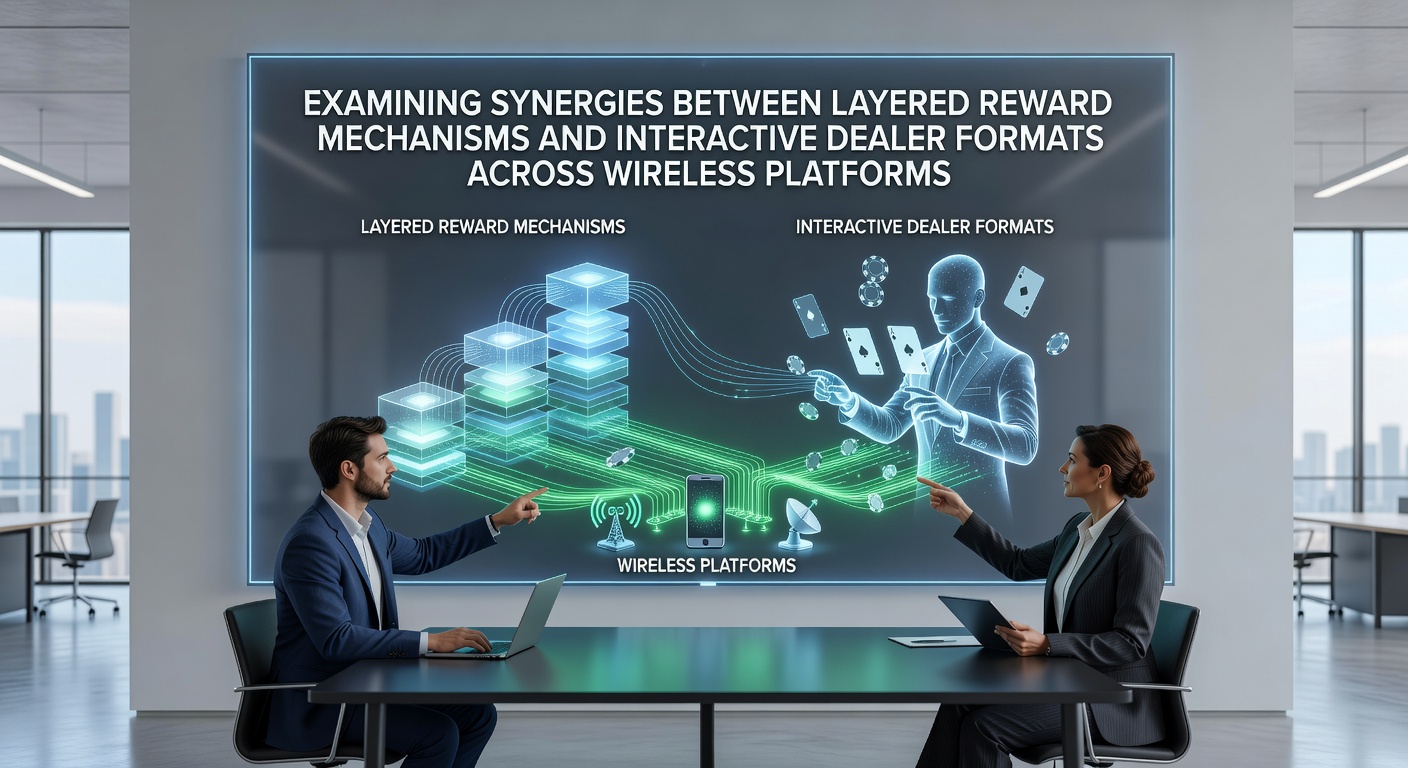
Layered reward mechanisms combine tiered loyalty points, progressive bonuses, and milestone achievements that players accumulate across sessions, while interactive dealer formats deliver real-time table games through live video streams on mobile devices, and wireless platforms enable seamless access via smartphones and tablets without fixed hardware constraints. These elements converge as operators refine systems that link reward accumulation directly to live dealer participation, creating measurable retention patterns across global markets. Data compiled through mid-2026 indicates that mobile live dealer sessions now account for increasing shares of total gaming activity in regulated jurisdictions, prompting closer examination of how reward layers influence engagement duration and frequency.
Core Components of Layered Reward Structures
Reward systems operate through multiple overlapping tiers where initial sign-up bonuses transition into ongoing point accrual based on wager volume, and higher tiers unlock enhanced multipliers or exclusive access privileges that reset on monthly or quarterly cycles. Operators track these layers using centralized player databases that update in real time, allowing immediate recognition of achievements during active play. Research from academic institutions such as the University of Nevada Reno's gaming studies programs shows that players who engage with at least three distinct reward layers demonstrate extended session lengths compared to single-layer participants, particularly when those layers connect to live game outcomes rather than automated slots alone.
Interactive Dealer Delivery on Mobile Networks
Interactive dealer formats stream professional croupiers from centralized studios directly to wireless devices, supporting features such as chat functions, camera angle selection, and bet placement through touch interfaces that adapt to varying screen sizes and connection speeds. These formats require stable 5G or advanced 4G infrastructure to maintain synchronization between dealer actions and player inputs, and regulatory filings from bodies like the Alcohol and Gaming Commission of Ontario document steady growth in licensed live dealer offerings delivered exclusively through mobile applications since 2024. Connectivity demands have driven technical refinements including adaptive bitrate streaming and predictive loading that reduce latency during peak hours.
Integration Points Creating Operational Synergies
Synergies emerge when reward mechanisms trigger specific incentives tied to live dealer tables, such as bonus spins or cashback credits activated only after completing a set number of hands in blackjack or roulette streams. This linkage encourages players to remain within the live environment rather than migrating to other game types, while the visible progression of reward meters on screen provides immediate feedback that sustains attention. Observers note that platforms incorporating these connections report higher average revenue per user in wireless segments, because the combined system converts casual live game trials into sustained participation through visible tier advancement. In June 2026, several operators introduced cross-format reward challenges that require participation in both mobile live dealer sessions and associated progressive jackpots, illustrating further tightening of these mechanisms.
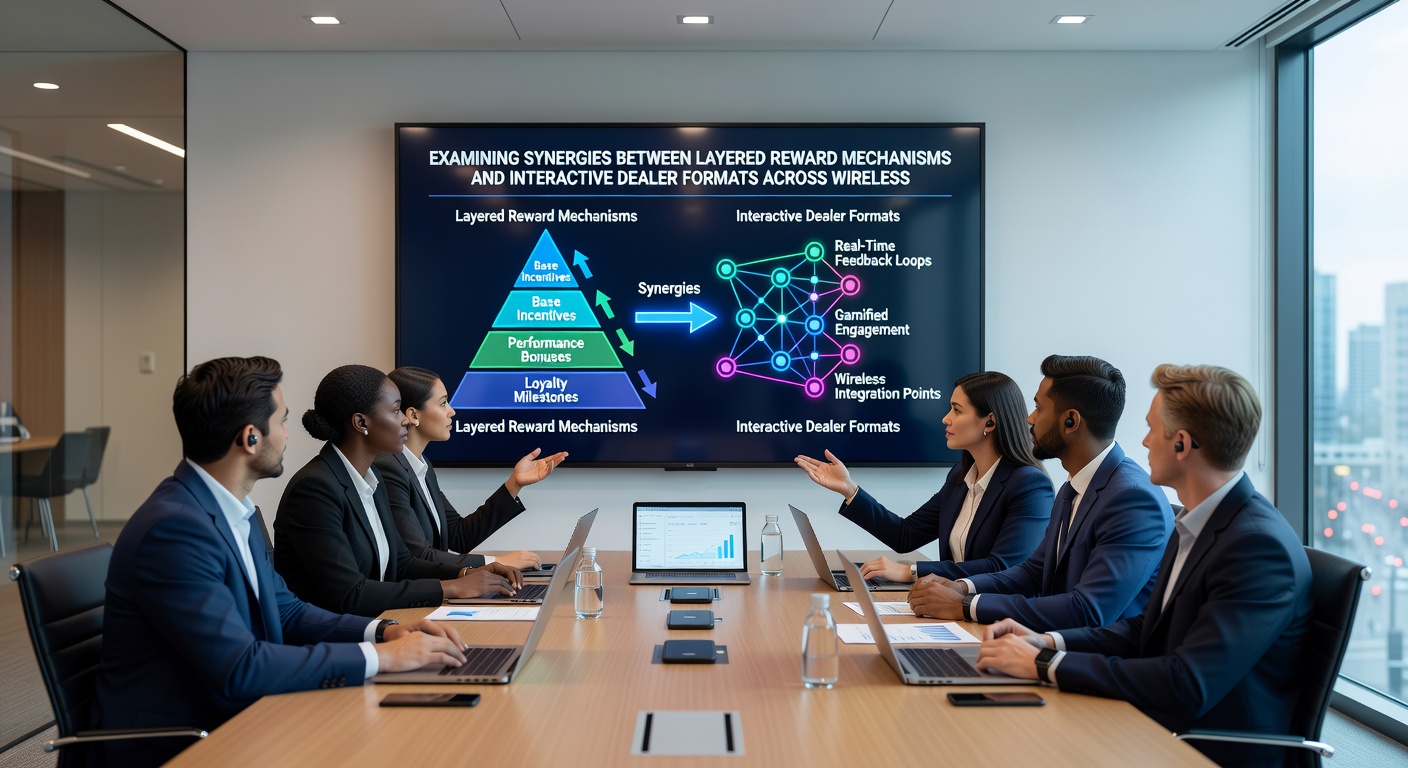
Technical infrastructure supports these integrations through API connections between loyalty engines and streaming servers, allowing reward status to influence game parameters such as table limits or side bet availability in real time. European operators following guidelines from the European Gaming and Betting Association have documented similar patterns where layered rewards increase retention metrics when synchronized with dealer-paced games on portable devices.
Regional Adoption Patterns and Data Trends
North American markets show accelerated adoption following regulatory expansions in multiple states, with wireless live dealer traffic rising alongside reward program enhancements that credit points for consecutive days of play. Asian and Australian operators meanwhile emphasize VIP tier benefits that grant priority seating at high-limit live tables accessible only through dedicated mobile applications. Figures from industry tracking services reveal that players utilizing both reward layers and live dealer formats generate approximately 40 percent more handle than those using either feature in isolation, although exact causation requires further longitudinal study across diverse regulatory environments.
Technical and Regulatory Considerations
Wireless delivery introduces variables including variable network quality and device fragmentation that affect reward tracking accuracy and dealer interaction smoothness. Compliance frameworks in different regions mandate transparent display of reward terms during live sessions, ensuring players receive clear information about progression requirements without interrupting gameplay flow. Developers address these through modular software architectures that separate reward logic from streaming components, enabling independent updates while maintaining synchronized user experiences across platforms.
Conclusion
The examination of layered reward mechanisms alongside interactive dealer formats on wireless platforms reveals interconnected systems where point accrual, tier advancement, and live participation reinforce one another through shared data flows and user interfaces. Continued expansion of mobile infrastructure alongside regulatory maturation supports further refinement of these synergies, with operators monitoring performance indicators to optimize integration depth across markets. Evidence from regulatory filings and academic analyses continues to shape implementation strategies as the sector evolves through 2026 and beyond.