Decoding How Player Decision Patterns Influence Bonus Layering in Cross-Border Mobile Table Game Ecosystems
Written by Uma Jenkins · Aug 15, 2026
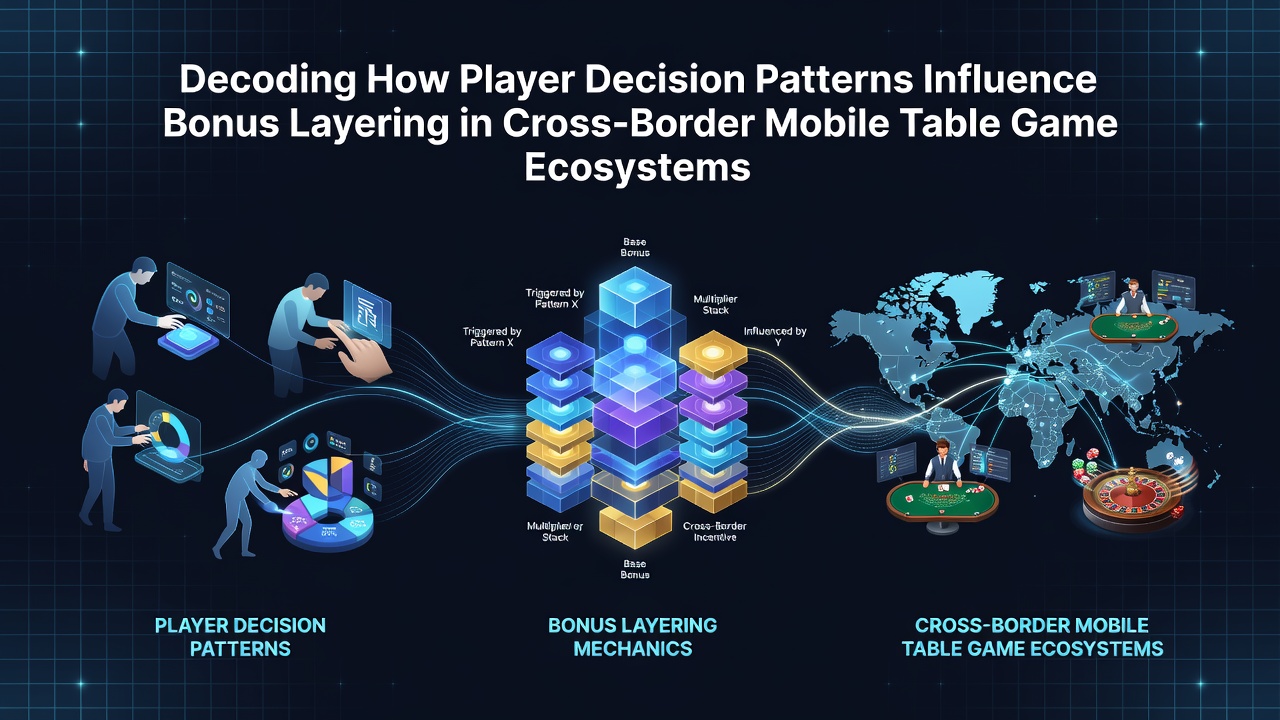
Decoding How Player Decision Patterns Influence Bonus Layering in Cross-Border Mobile Table Game Ecosystems
Player decision patterns in cross-border mobile table game ecosystems shape how bonus layers accumulate and interact across different regulatory zones, and researchers have tracked these dynamics through aggregated gameplay data from multiple platforms. Decision sequences such as bet sizing adjustments, timing between rounds, and selection of game variants determine whether layered bonuses activate in sequence or remain dormant, while data from August 2026 shows increased activity in jurisdictions where mobile operators coordinate reward structures across borders.
Core Mechanics of Bonus Layering
Bonus layering occurs when operators stack promotional credits, multiplier effects, and loyalty points on top of base game outcomes, and player choices directly modulate which layers become available during a session. Those who study these systems note that a decision to increase stakes mid-session often triggers secondary bonus tiers that would otherwise stay locked, whereas consistent low-stake play tends to accumulate only the primary layer over extended periods. Platforms operating across borders must reconcile varying legal requirements on bonus visibility, so the same player action can unlock different layer combinations depending on the user's registered region.
Decision Trees and Real-Time Adjustments
Real-time decision trees emerge when players respond to live dealer cues or on-screen prompts, and each branch alters the probability of accessing stacked rewards. Observers tracking session logs find that rapid switches between table variants frequently reset partial progress toward higher layers, while deliberate pauses allow operators to present targeted offers that deepen the stack. In August 2026 several cross-border providers updated their algorithms to recognize these patterns more precisely, resulting in measurable shifts in how frequently layered bonuses reached maximum depth before cash-out.
Cross-Border Regulatory Influences
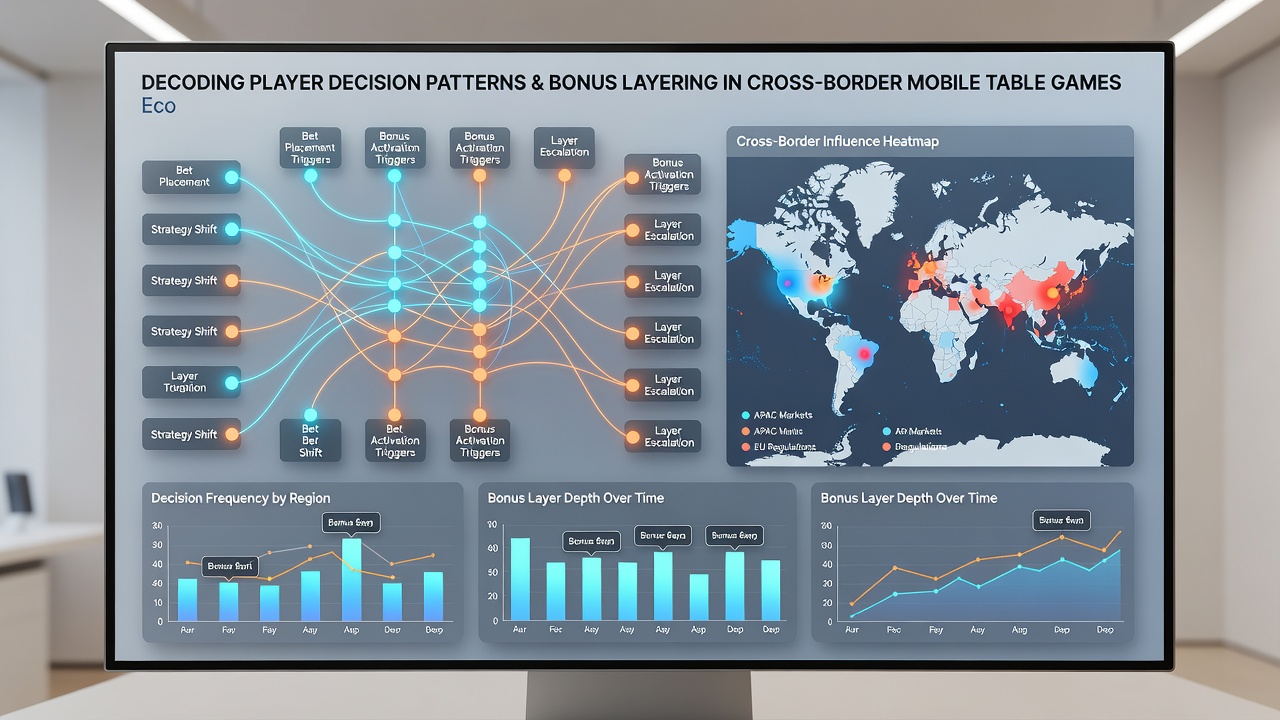
Regulatory differences across regions affect which bonus layers can combine legally, and operators adjust their mobile ecosystems accordingly. Data compiled by the Nevada Gaming Control Board indicates that decision patterns involving repeated small wagers generate steadier layer progression under US frameworks, whereas larger sporadic bets align better with certain Asian market rules that cap promotional stacking. Nevada Gaming Control Board reports further detail how mobile sessions crossing state lines encounter additional constraints that force platforms to prune certain layers mid-play based on detected location changes.
Those examining European and North American markets simultaneously observe that players who maintain consistent session lengths across devices often preserve more layers intact, because abrupt device switches can interrupt the synchronization required for full stacking. Platforms therefore embed location-aware logic that pauses or redirects bonus progression when users move between compliant and non-compliant zones.
Empirical Patterns from Recent Data
Analysis of millions of mobile table game sessions reveals recurring sequences that reliably influence layer depth, and studies from independent research groups confirm these correlations hold across multiple operators. One pattern involves players who alternate between blackjack and baccarat variants within a single hour, which tends to unlock hybrid multipliers unavailable through single-game focus. Another documented sequence shows that deliberate avoidance of auto-play functions correlates with higher activation rates for time-sensitive bonus layers, because manual decisions allow platforms to register intentional engagement.
Figures released in mid-2026 by the Australian Institute of Criminology highlight similar trends in cross-jurisdictional play, where users who monitor their own decision history through in-app analytics achieve more predictable layer outcomes. These tools surface past choice patterns, enabling players to replicate sequences that previously maximized stacked rewards while remaining within regional compliance boundaries.
Platform Adaptations and Algorithmic Responses
Mobile platforms have begun integrating predictive models that anticipate layer eligibility based on early-session decisions, and these models draw from anonymized datasets spanning multiple countries. When a player demonstrates preference for high-volatility tables, the system may surface offers that accelerate secondary and tertiary layers to maintain engagement. Conversely, conservative decision patterns prompt slower release of layers to align with lower-risk profiles observed in the data.
Operators also refine their cross-border synchronization protocols so that a bonus layer earned in one region remains accessible when the same account connects from another compliant jurisdiction. This continuity depends on consistent decision logging that travels with the user profile, preventing fragmentation that would otherwise collapse partially built stacks.
Conclusion
Player decision patterns serve as the primary control mechanism for bonus layer accumulation in cross-border mobile table game ecosystems, and current data from August 2026 demonstrates measurable impacts on both progression speed and maximum attainable depth. Regulatory frameworks in different regions continue to shape which layers can coexist, prompting platforms to embed adaptive logic that responds to detected choices in real time. Continued tracking by oversight bodies such as the Australian Institute of Criminology provides ongoing insight into how these interactions evolve as technology and rules develop in parallel.